
Ultimate Collection Of Storm Restoration Products For Rapid Fixes
Get access to top-rated supplies and equipment that support efficient and safe storm damage restoration projects.
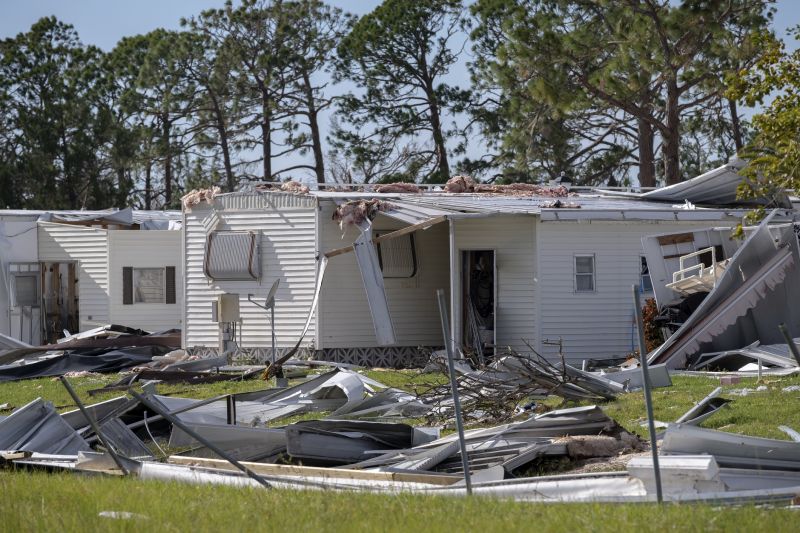 Storm restorations require a comprehensive approach to repair and reinforce structures affected by severe weather events. Essential products include durable roofing materials, waterproof sealants, and sturdy structural reinforcements that can withstand high winds, heavy rain, and debris impacts. Selecting the right tools and supplies is crucial for ensuring long-lasting repairs and minimizing future vulnerabilities. It is important to consider the specific needs of your property, local weather conditions, and the severity of potential storms when choosing restoration products.
Top Overall Option
Heavy-Duty Waterproof Sealant
A versatile, high-performance waterproof sealant is essential for sealing cracks, joints, and vulnerable areas on roofs, walls, and foundations. It provides a reliable barrier against water intrusion, helping to prevent further damage from rain and flooding. Easy to apply and suitable for various surfaces, this product is a key component in storm restoration efforts, offering long-lasting protection and peace of mind.
Types of Products For Storm Restorations
Roofing Shingles and Panels
Various styles and materials designed to replace or reinforce damaged roofing structures, ensuring durability against future storms.
Waterproof Sealants and Coatings
Products formulated to seal leaks, cracks, and joints on roofs, walls, and foundations to prevent water ingress.
Structural Reinforcement Materials
Steel beams, braces, and other supports used to strengthen weakened structures after storm damage.
Flood Barriers and Sandbags
Temporary or permanent barriers to divert or contain floodwaters during severe weather events.
Debris Removal Tools
Heavy-duty rakes, shovels, and debris bins to clear damaged materials from property sites.
Storm Windows and Shutters
Protective coverings designed to shield windows from high winds and debris impacts.
Emergency Power Generators
Portable generators to maintain essential functions during power outages caused by storms.
Moisture Meters
Tools to detect hidden water intrusion and assess moisture levels within walls and floors.
Mold Remediation Supplies
Cleaning agents, biocides, and protective gear to address mold growth after water damage.
Insulation and Weatherproofing Materials
Products to restore insulation and improve the weather resistance of affected areas.
Safety Equipment
Protective gear including gloves, goggles, masks, and helmets for safe restoration work.
Plywood and Sheathing Boards
Strong panels used to temporarily cover damaged areas and reinforce structures.
Drainage Solutions
Gutters, downspouts, and trench drains designed to improve water runoff and prevent pooling.
Paints and Coatings
Weather-resistant paints and coatings to restore and protect exterior surfaces.
Foundation Repair Products
Anchors, piers, and underpinning materials to stabilize and repair compromised foundations.
Popular Choices
Widely used for sealing and waterproofing various surfaces during storm restoration projects.
Commonly selected for roof repairs to restore weather resistance.
Popular for protecting windows from debris and high winds.
Effective for temporary flood mitigation in vulnerable areas.
Essential for clearing damaged materials after storms.
Frequently used to reinforce weakened structures.
Helpful for assessing water intrusion levels during restoration.
Commonly employed to address mold growth after water exposure.
Often used for temporary coverage and structural support.
Popular for managing water runoff and preventing pooling.
Chosen for restoring exterior surfaces after damage.
Frequently selected for maintaining essential services during outages.
Used to restore thermal barriers after storm damage.
Commonly used to protect workers during restoration activities.
In addition to primary repair materials, safety equipment such as protective gloves, goggles, and respiratory masks play a vital role during storm restoration projects. These items help protect workers from hazards like dust, mold, and debris. Proper planning and the use of high-quality products can facilitate efficient restoration efforts, reduce costs, and improve the resilience of structures against future storms.
For property owners and contractors in Torrance, CA, understanding the variety of available storm restoration products can aid in making informed decisions. Whether addressing roof damage, flooding, or structural weaknesses, having access to a wide range of supplies ensures that each aspect of the restoration process is adequately covered. Investing in reliable, versatile products can make the difference between a temporary fix and a durable repair that stands the test of time.
Key Buying Considerations
- Assess the severity and type of storm damage to determine necessary products.
- Choose materials that are compatible with existing structures and surfaces.
- Prioritize products with proven durability and weather resistance.
- Consider ease of application and whether professional installation is needed.
- Evaluate the long-term effectiveness of waterproofing and sealing products.
- Ensure safety equipment meets industry standards for protection during work.
- Account for local climate conditions in Torrance, CA, to select suitable products.
- Check for compatibility with other restoration components to ensure seamless integration.
- Review product specifications for coverage area and application guidelines.
- Opt for versatile products that can address multiple aspects of restoration.
- Consider the availability of replacement parts and ongoing maintenance needs.
- Balance cost with quality to achieve durable, cost-effective repairs.
- Verify supplier reputation and product reviews for reliability.
- Determine whether products are suitable for temporary or permanent repairs.
- Plan for environmental conditions that could affect curing or performance of certain materials.